

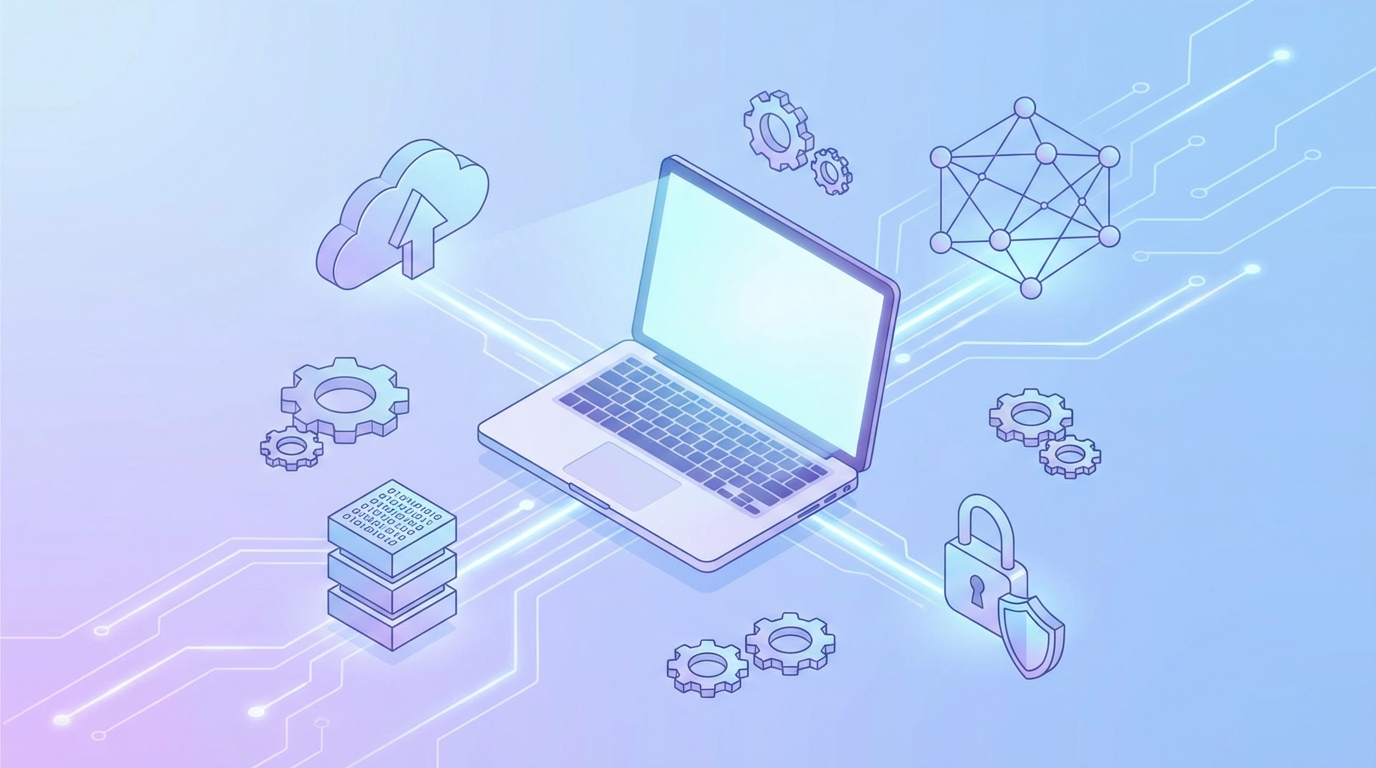
What is technology? Technology is the use of tools, machines, systems, knowledge, and processes to solve problems or make tasks easier. It includes everything from simple tools such as a hammer to complex systems such as computers, networks, smartphones, and the Internet.
Technology has been part of human life for thousands of years. Early humans developed tools from stone and wood, while later generations created machines, electrical systems, computers, and digital technologies. Today, technology influences nearly every aspect of our lives, including how we communicate, work, learn, travel, shop, and access information.
For someone beginning to learn about IT, it can be helpful to think of technology as a collection of components that work together. Hardware, software, data, networks, systems, and processes combine to create solutions that help people accomplish tasks and solve problems.
What Is Technology?
At its core, technology is about turning knowledge and ideas into useful solutions.
Consider a simple problem: people need to communicate with someone who is far away. Throughout history, technology has provided different solutions, from written letters to telephones, mobile phones, email, messaging applications, and video conferencing.
Technology is therefore much broader than computers. It can include physical tools, machines, software, systems, and processes.
In modern discussions, however, the word technology often refers to digital technologies such as computers, smartphones, software, networks, cloud services, databases, and other information systems.
For IT beginners, understanding this distinction is important. Information Technology (IT) is one area of technology that focuses primarily on computers, software, networks, data, and systems used to store, process, protect, and communicate information.
Technology vs. Information Technology
Technology is the broader concept.
Information Technology (IT) is a specialized area of technology focused on information and digital systems.
For example:
- A hammer is technology.
- A GPS navigation system is technology.
- A smartphone is technology.
- A computer network is technology.
- A database is technology.
- A cybersecurity system is technology.
These can also be part of the larger field of IT when they are used to create, manage, store, process, or protect digital information.
A useful way to think about the relationship is:
Technology → Digital Technology → Information Technology → Specialized IT Areas
As you learn more about IT, you’ll encounter specialized areas such as:
- Networking
- Cybersecurity
- Cloud computing
- Database management
- Systems administration
- Software development
- Artificial intelligence
- Data analysis
Each area builds on fundamental technology concepts.
The Building Blocks of Technology
Many modern technology solutions are built from several basic components working together.
Hardware
Hardware refers to the physical components of a device or computer system.
Examples include:
- Computers
- Smartphones
- Keyboards
- Monitors
- Processors
- Storage devices
- Network switches
- Routers
Hardware is the physical part of a technology system that you can see and touch.
Software
Software consists of the programs and applications that tell hardware what to do.
Examples include:
- Operating systems
- Web browsers
- Mobile applications
- Word processors
- Business applications
- Security software
A computer’s hardware provides the physical platform, while software provides instructions that allow the system to perform useful tasks.
Data
Data is information that can be stored, processed, or transmitted by technology.
Examples include:
- Names
- Addresses
- Financial records
- Photos
- Documents
- Customer information
- Sensor readings
Data is one of the most important resources in modern technology because organizations use it to operate their businesses, make decisions, and provide services.
Networks
A network is a group of connected devices that can communicate with each other.
Networks allow computers and other devices to exchange information and access shared resources.
The Internet is the world’s largest interconnected network, but smaller networks can exist within homes, offices, schools, and businesses.
Networking is an important part of IT because many modern applications and services depend on devices being able to communicate.
Systems
A system is a collection of components that work together to accomplish a purpose.
A technology system might combine hardware, software, networks, data, and people.
For example, an online banking system may use a customer’s smartphone or computer, an application or website, networks, servers, databases, and security technologies.
Processes
Technology also involves processes—the methods and procedures used to accomplish tasks.
Technology is not simply about owning computers or installing software. People and organizations need processes for using, maintaining, securing, and managing technology effectively.
Together, hardware, software, data, networks, systems, and processes form the foundation of many modern technology environments.
Types of Technology
Technology can be divided into many different areas. Some of the most common types you’ll encounter include:
Information Technology
Information technology focuses on systems used to create, store, process, manage, and communicate information.
Computers, servers, databases, software, and networks are all common components of IT environments.
Communication Technology
Communication technology helps people exchange information.
Examples include:
- Smartphones
- Messaging applications
- Video conferencing
- Voice communication
- Social media
Networking Technology
Networking technology connects computers, devices, systems, and users so they can communicate and share resources.
Examples include:
- Ethernet
- Wi-Fi
- Routers
- Switches
- Wireless access points
- Network security devices
Cloud Technology
Cloud computing allows users and organizations to access computing resources, applications, storage, and other services over a network, typically the Internet.
Cloud services can reduce the need for organizations to maintain every computing resource locally.
Mobile Technology
Mobile technology allows people to access applications, information, and communication services while using mobile devices such as smartphones and tablets.
Artificial Intelligence
Artificial intelligence (AI) involves technologies designed to perform tasks that traditionally require aspects of human intelligence, such as recognizing patterns, understanding language, or making predictions.
Automation
Automation uses technology to perform tasks with limited human intervention.
Businesses commonly use automation to reduce repetitive work, improve efficiency, and reduce errors.
These categories often overlap. A smartphone, for example, combines hardware, software, networking, communication, cloud services, data, and security technologies.
Technology in Everyday Life
Technology is everywhere, even when we don’t think about the individual systems working behind the scenes.
Sending a Text Message
When you send a text message, several technologies may work together.
Your smartphone provides the hardware. The operating system manages the device. A messaging application provides the user interface. A mobile or Wi-Fi network carries the information, while servers and other systems process and deliver the message.
What appears to be a simple action can therefore involve several interconnected technologies.
Online Banking
Online banking is another example.
Instead of visiting a physical bank, you can use an application or website to:
- Check account balances
- Transfer money
- Pay bills
- Review transactions
Behind the scenes, databases store information, servers process requests, networks transmit information, and security technologies help protect accounts and data.
GPS Navigation
GPS navigation is another everyday example of advanced technology.
Satellites communicate with GPS receivers in devices such as smartphones and navigation systems. Software processes location information and uses it to provide directions and other navigation services.
Streaming and Online Services
Watching a video or listening to music online also involves multiple technologies.
Your device, application, Internet connection, servers, databases, and cloud infrastructure may all work together to deliver the content.
These examples demonstrate an important concept for IT beginners: technology is often a collection of systems working together rather than a single device or application.
How Technology Is Used in Business
Technology plays an important role in modern businesses.
Organizations use technology to:
- Communicate with employees and customers
- Manage financial information
- Track inventory
- Manage customer relationships
- Store and analyze data
- Automate repetitive tasks
- Provide online services
- Collaborate with remote employees
- Protect business information
- Support day-to-day operations
For example, a business might use customer relationship management software to track interactions with customers, inventory software to monitor products, and cloud applications to allow employees to collaborate.
Technology can help businesses save time, reduce errors, improve communication, and make better use of information.
Why Is Technology Important?
Technology matters because it helps people and organizations solve problems, communicate, automate tasks, and access information.
Technology improves productivity
Tasks that once required hours of manual work can often be completed much more quickly using software and automation.
Technology improves communication
Email, messaging, video conferencing, and collaboration tools allow people to communicate and work together regardless of location.
Technology supports business growth
Organizations rely on technology to manage operations, serve customers, analyze information, and develop new products and services.
Technology creates opportunities
Understanding technology can open opportunities in many careers. Modern workplaces often require at least basic digital skills, while specialized careers include software development, network administration, systems administration, cybersecurity, and data-related roles.
Technology connects people
Social media, video calls, online communities, and collaboration platforms allow people to communicate and share information around the world.
Technology has therefore transformed education, business, entertainment, and everyday social interaction.
Using Technology Responsibly
Technology provides many benefits, but it also creates responsibilities and risks.
Important considerations include:
Protecting personal information
Be careful about what personal information you share online and understand how applications and services use your data.
Practicing cybersecurity
Use strong passwords, keep software updated, and be cautious when opening unexpected messages, links, or attachments.
Understanding privacy
Many digital services collect information about their users. Understanding privacy settings and data-collection practices can help you make more informed decisions.
Maintaining healthy technology habits
Technology can make life easier, but excessive use can negatively affect productivity, sleep, social interaction, and well-being.
Learning about technology means learning not only how it works, but also how to use it safely and responsibly.
Common Technology Terms for Beginners
Here are some important terms that beginners are likely to encounter.
Application: A software program designed to perform a specific task.
Cloud computing: Using computing resources, applications, or storage over a network, typically the Internet.
Computer network: A group of connected devices that can communicate and share resources.
Cybersecurity: The practice of protecting systems, networks, applications, and data from unauthorized access or digital attacks.
Database: An organized collection of information that can be stored, accessed, and managed.
Data: Information that is stored, processed, or transmitted by a technology system.
Hardware: The physical components of a computer or other technology device.
Internet: A global network of interconnected networks that allows devices and systems around the world to communicate.
Information Technology (IT): The use and management of computers, software, networks, data, and related systems to process and communicate information.
Operating system (OS): Software that manages a computer or device’s hardware and provides a platform for applications.
Router: A network device that forwards data between networks.
Server: A computer or system that provides services or resources to other computers or devices.
Software: Programs and applications that provide instructions for hardware.
Wi-Fi: A wireless networking technology that allows compatible devices to connect to a network.
How Can I Start Learning About Technology?
Technology may seem complicated when you’re first getting started, but you don’t need to understand everything at once.
A good starting point is to learn the fundamentals.
1. Learn how computers work
Start by understanding basic hardware components such as processors, memory, storage, and input/output devices.
2. Learn about software
Understand what an operating system does and how applications interact with the operating system and hardware.
3. Learn basic networking
Learn what networks are, how devices communicate, and the difference between concepts such as wired and wireless networking.
4. Learn about data
Understand what data is, how it is stored, and how applications use it.
5. Learn about cybersecurity
Develop basic security habits and learn why protecting accounts, devices, networks, and data is important.
6. Practice
Hands-on experience is one of the best ways to build confidence. Try configuring devices, exploring operating system settings, creating accounts, using different applications, or building a small home network.
You don’t need to become an expert immediately. Build your knowledge one concept at a time.
Frequently Asked Questions
What is technology?
Technology is the use of tools, machines, systems, knowledge, and processes to solve problems or make tasks easier. It includes physical tools as well as modern digital systems such as computers, smartphones, networks, and software.
Is technology only about computers?
No. Technology includes much more than computers. It can include tools, machines, transportation systems, medical equipment, communication systems, and many other technologies. In modern discussions, however, technology often refers to digital and information-based systems.
What is the difference between technology and IT?
Technology is the broader concept. Information Technology, or IT, is a specialized area focused primarily on computers, software, networks, data, and systems used to process and communicate information.
What are some examples of technology?
Examples include smartphones, computers, software, networks, GPS systems, online banking, cloud services, medical equipment, communication systems, and automated business processes.
What are the main types of technology?
There are many types of technology, including information technology, communication technology, networking technology, cloud technology, mobile technology, artificial intelligence, and automation.
Do I need to be good at math to learn technology?
Not necessarily. Some advanced areas, such as programming, engineering, and data science, can involve mathematics. However, many IT areas—including technical support, networking, and basic systems administration—often rely more heavily on logical thinking and problem-solving.
How can I start learning about technology?
Start with the fundamentals. Learn how computers work, explore operating systems, understand basic networking concepts, and become familiar with software, data, and cybersecurity. Beginner-friendly courses, tutorials, and hands-on practice can help build your knowledge and confidence.
Why is technology important?
Technology helps people and organizations solve problems, communicate, automate tasks, manage information, improve productivity, and create new products and services.
Conclusion
Technology is much more than computers and smartphones. It is the combination of tools, hardware, software, data, networks, systems, knowledge, and processes that people use to solve problems and accomplish tasks.
From sending a text message and using GPS to managing a business or communicating across the world, modern life depends on many different technologies working together.
For someone beginning to learn about IT, understanding these fundamentals provides a foundation for more advanced subjects such as networking, cybersecurity, cloud computing, databases, systems administration, software development, and artificial intelligence.
Technology may seem complex at first, but breaking it down into its basic components makes it much easier to understand.
With curiosity, practice, and a willingness to learn, anyone can begin building a strong foundation in technology and IT.
Comments (0)