

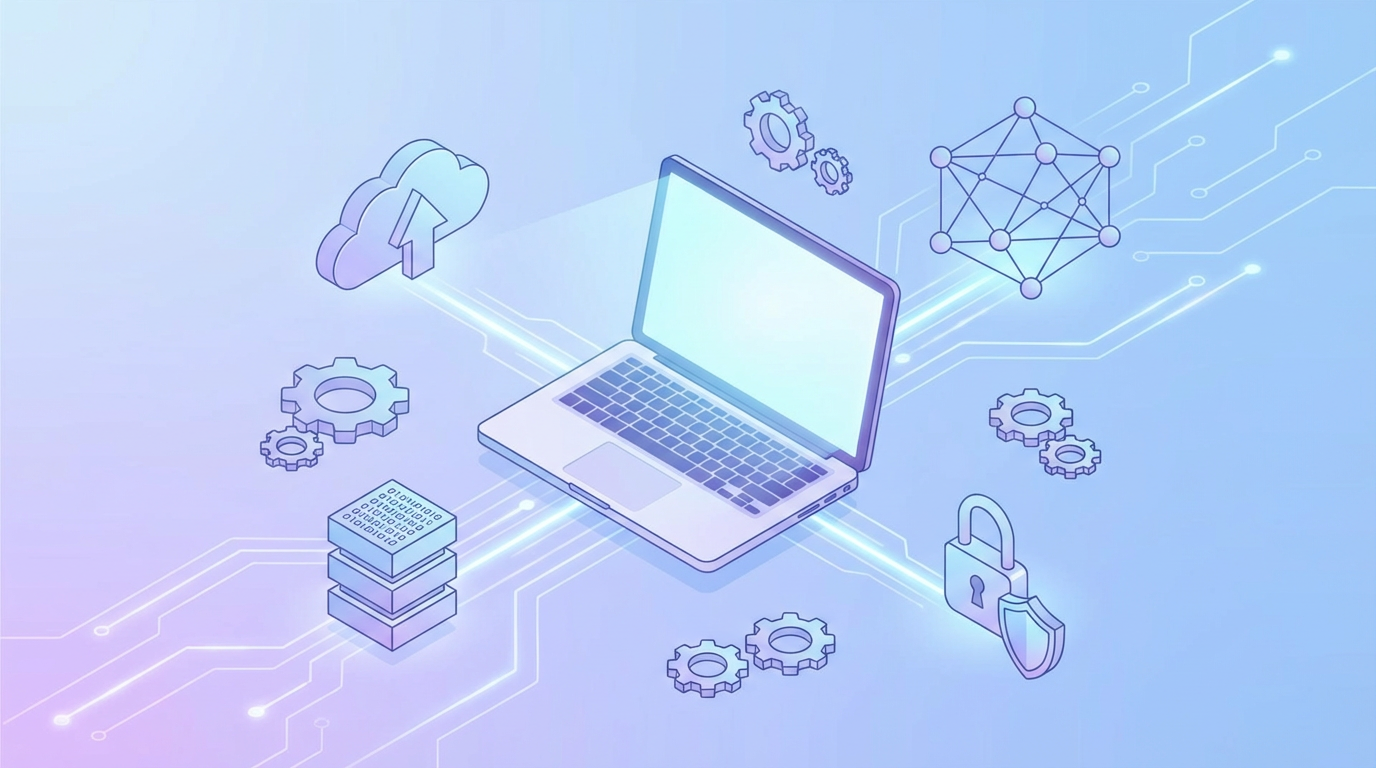
What is Technology? (Beginner Guide)
Technology is the use of tools, machines, systems, and processes to solve problems or make tasks easier. It includes everything from simple tools like a hammer to complex systems like computers and the internet. In today’s world, technology plays a major role in how we live, work, and communicate.
Simple explanation
At its core, technology is about using knowledge to create useful solutions. Humans have been developing technology for thousands of years, starting with basic tools made from stone and wood. Over time, this evolved into machines, electricity, and eventually digital systems.
For beginners in IT, technology often refers to digital tools and systems, like computers, software, networks, and data. These are designed to help us store information, communicate with others, automate tasks, and solve complex problems more efficiently.
Think of technology as a bridge between ideas and action. When someone has a problem, like needing to communicate across long distances, technology provides a solution, such as phones or video calls. In IT specifically, technology involves designing, building, and managing these digital solutions.
It’s also important to understand that technology isn’t just physical devices. It includes software (the programs that run on devices), systems (how different tools connect and work together), and processes (the methods used to accomplish tasks). All of these pieces work together to create what we call “technology.”
Real-world examples
Technology is everywhere, even in everyday activities you might not think about.
When you send a text message, several technologies are working together: your smartphone hardware, the messaging app (software), mobile networks, and internet servers. All of these components coordinate in seconds to deliver your message.
Online banking is another example. Instead of visiting a physical bank, you can transfer money, check balances, and pay bills using a secure app or website. Behind the scenes, databases store your information, encryption keeps it safe, and servers process your requests.
In workplaces, technology helps automate repetitive tasks. For example, businesses use software to track inventory, manage customer relationships, and analyze data. This saves time and reduces errors compared to manual work.
Even something as simple as GPS navigation relies on advanced technology. Satellites orbiting the Earth communicate with your device to determine your location and provide directions in real time.
For IT beginners, common technologies you’ll encounter include operating systems (like Windows or Linux), cloud services (such as online storage), and networking tools that connect computers together.
Why it matters
Technology matters because it improves efficiency, communication, and problem-solving across nearly every field. Without it, many modern conveniences would not exist.
In daily life, technology saves time and effort. Tasks that once took hours, like sending a letter or researching information, can now be done in seconds. This allows people to focus on more important or creative work.
In business, technology drives innovation and growth. Companies rely on IT systems to manage operations, serve customers, and stay competitive. Understanding technology gives you an advantage in almost any career.
For individuals, learning about technology opens up new opportunities. Many jobs today require at least basic digital skills, and careers in IT are in high demand. Roles like software developer, system administrator, and cybersecurity analyst all depend on understanding how technology works.
Technology also connects people globally. Social media, video calls, and online communities allow individuals to collaborate and share ideas regardless of location. This has transformed education, work, and social interaction.
However, it’s also important to use technology responsibly. Issues like data privacy, cybersecurity, and digital addiction are important considerations. As you learn more about technology, you’ll also learn how to use it safely and effectively.
Key terms
- Hardware – The physical components of a computer or device (e.g., keyboard, monitor, processor)
- Software – Programs and applications that run on hardware
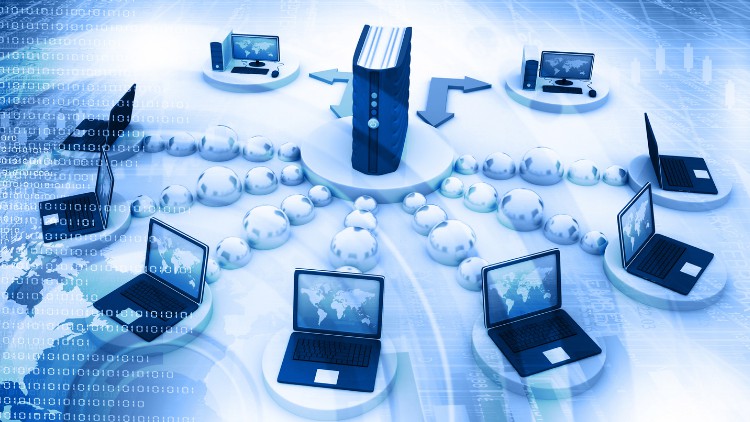
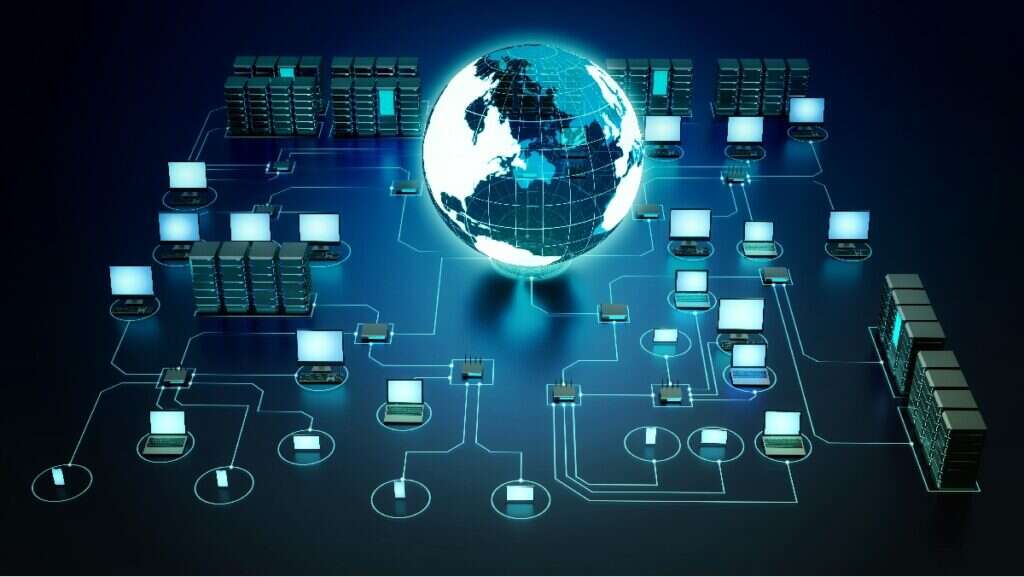
- Internet – A global network that connects computers and devices worldwide
- Network – A group of connected devices that can communicate with each other
- Data – Information that is stored, processed, or transmitted by technology
- Cloud computing – Storing and accessing data and programs over the internet instead of locally
- Operating system (OS) – The main software that manages a computer’s hardware and applications
- Cybersecurity – Protecting systems and data from digital attacks
- Database – An organized collection of data that can be easily accessed and managed
FAQ
1. Is technology only about computers?
No, technology includes much more than computers. While IT focuses on digital systems, technology can also refer to tools, machines, and methods used in fields like medicine, transportation, and construction. However, in modern discussions, it often emphasizes digital and information-based systems.
2. Do I need to be good at math to learn technology?
Not necessarily. While some advanced areas like programming or data science involve math, many parts of IT, such as technical support, networking, or basic system administration, require more logical thinking and problem-solving than advanced mathematics.
3. How can I start learning about technology?
Start with the basics: learn how computers work, explore operating systems, and understand simple networking concepts. You can also try beginner-friendly courses, watch tutorials, and practice using common tools. Hands-on experience is one of the best ways to build confidence and understanding.
Technology may seem complex at first, but once you break it down into its core components, it becomes much easier to understand. With curiosity and practice, anyone can begin their journey into the world of IT.




Comments (0)