
In today’s digital world, it’s almost impossible to go a day without interacting with technology. Whether you’re sending a text, streaming a movie, or shopping online, information technology (IT) is working behind the scenes to make it all happen. But what exactly is IT, and why is it such a big deal? If you’re new to the topic, don’t worry, this guide will break it down in a clear and engaging way. By the end, you’ll have a solid understanding of what IT is and why it matters.
A Simple Explanation of Information Technology
At its core, Information Technology (IT) refers to the use of computers, software, networks, and systems to store, process, and share information. Think of IT as the backbone of modern communication and data management.
Instead of handling information manually, like writing everything on paper, IT allows us to use digital tools to do things faster, more accurately, and on a much larger scale. This includes everything from saving files on your laptop to running massive databases for global companies.
IT isn’t just about computers, either. It also includes:
- The internet and networking systems
- Mobile devices and apps
- Cloud storage platforms
- Cybersecurity systems that protect data
In simple terms, if technology is helping you create, store, send, or protect information, you’re using IT.
Real-World Examples of IT
To really understand IT, it helps to see how it shows up in everyday life. Here are some common examples:
1. Online Banking
When you check your bank account through an app or website, IT systems are securely retrieving your financial data and displaying it in real time. Behind the scenes, servers, databases, and encryption tools are working together to keep your information safe.
2. Streaming Services
Platforms like Netflix or Spotify rely heavily on IT. They store huge libraries of content and use algorithms to recommend shows or songs based on your preferences.
3. Email and Communication
Sending an email might seem simple, but IT systems handle everything from routing the message across networks to filtering spam and securing attachments.
4. E-commerce Websites
When you shop online, IT systems manage product listings, process payments, track orders, and handle customer data all within seconds.
5. Healthcare Systems
Hospitals use IT to store patient records, schedule appointments, and even assist with diagnostics. Electronic health records (EHRs) are a major part of modern healthcare IT.
6. Workplace Tools
Applications like Microsoft Teams, Slack, or Google Workspace allow teams to collaborate, share files, and communicate from anywhere in the world.
These examples show that IT isn’t limited to one industry, it’s everywhere.
Why Information Technology Matters
IT plays a crucial role in both our personal lives and the global economy. Here’s why it’s so important:
1. Efficiency and Speed
IT allows tasks that once took hours (or days) to be completed in seconds. Businesses can process transactions, analyze data, and communicate instantly.
2. Improved Communication
From emails to video calls, IT has made it easier than ever to connect with people across the globe. Distance is no longer a major barrier.
3. Data Management and Decision-Making
Organizations rely on IT to collect and analyze data. This helps them make smarter decisions, predict trends, and improve services.
4. Job Opportunities
The IT field offers a wide range of career paths, including software development, cybersecurity, data analysis, and network administration. As technology grows, so does the demand for IT professionals.
5. Innovation and Growth
Many modern innovations, like artificial intelligence, cloud computing, and smart devices, are driven by IT. These advancements continue to shape the future.
6. Security and Protection
With so much data being shared online, IT systems are essential for protecting sensitive information. Cybersecurity helps prevent data breaches, fraud, and identity theft.
Without IT, many of the conveniences we rely on daily simply wouldn’t exist.
Key Terms in Information Technology
If you’re just getting started, you’ll likely come across some common IT terms. Here are a few important ones to know:
- Hardware – The physical components of a computer (e.g., keyboard, monitor, hard drive)
- Software – Programs and applications that run on a computer
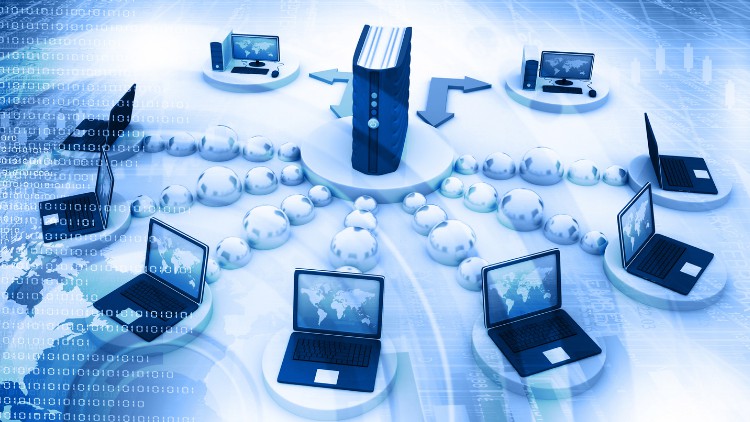
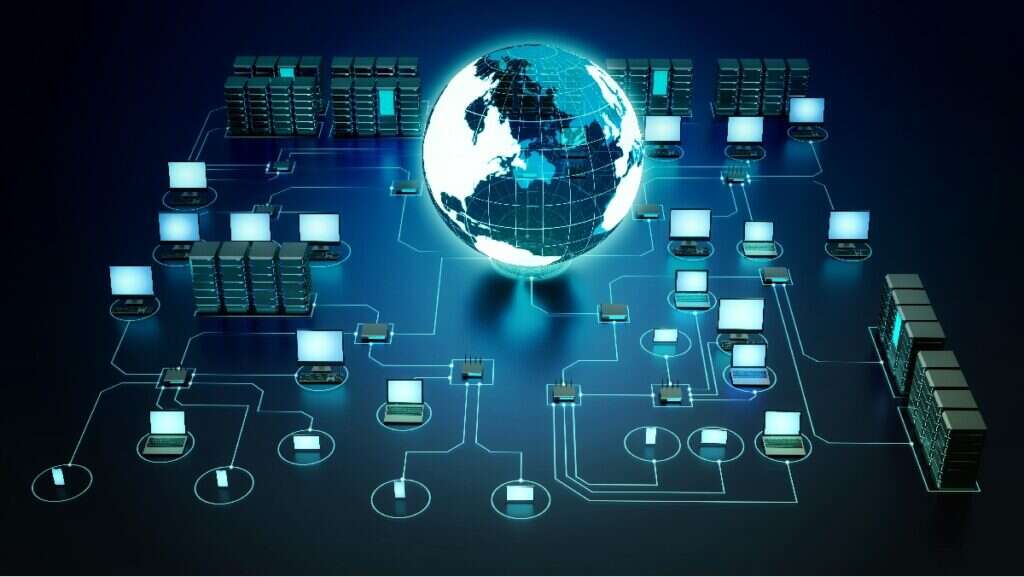
- Network – A group of connected devices that share information
- Internet – A global network that connects millions of computers
- Database – A structured collection of data that can be easily accessed and managed
- Cloud Computing – Storing and accessing data over the internet instead of on a local device
- Cybersecurity – Protecting systems and data from digital attacks
- Server – A computer that provides data or services to other computers
- Client – A device or application that accesses services from a server
- Operating System (OS) – Software that manages a computer’s hardware and software (e.g., Windows, macOS)
- Application (App) – Software designed to perform a specific task
- Encryption – Converting data into a secure format to prevent unauthorized access
- IT Support – Services that help maintain and troubleshoot technology systems
Final Thoughts
Information Technology is a vast and ever-evolving field, but at its heart, it’s all about using technology to handle information more effectively. From the apps on your phone to the systems that power global businesses, IT is deeply woven into modern life.
For beginners, the key is to start small, understand the basics, explore common tools, and stay curious. As technology continues to grow, having a foundational understanding of IT will not only help you navigate the digital world but may also open doors to exciting career opportunities.
Whether you’re interested in working in tech or simply want to better understand the tools you use every day, learning about IT is a smart and valuable step forward.




Comments (0)